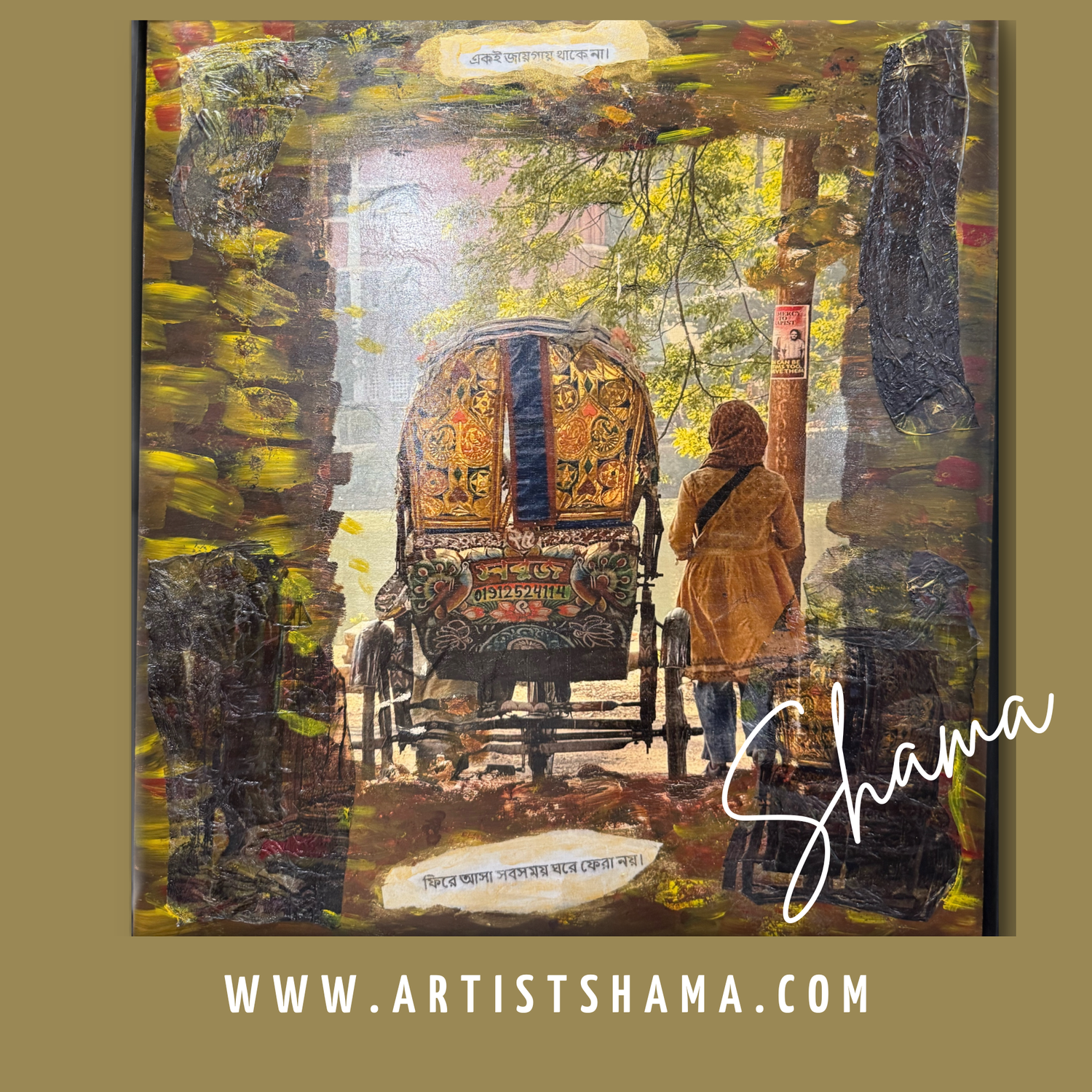
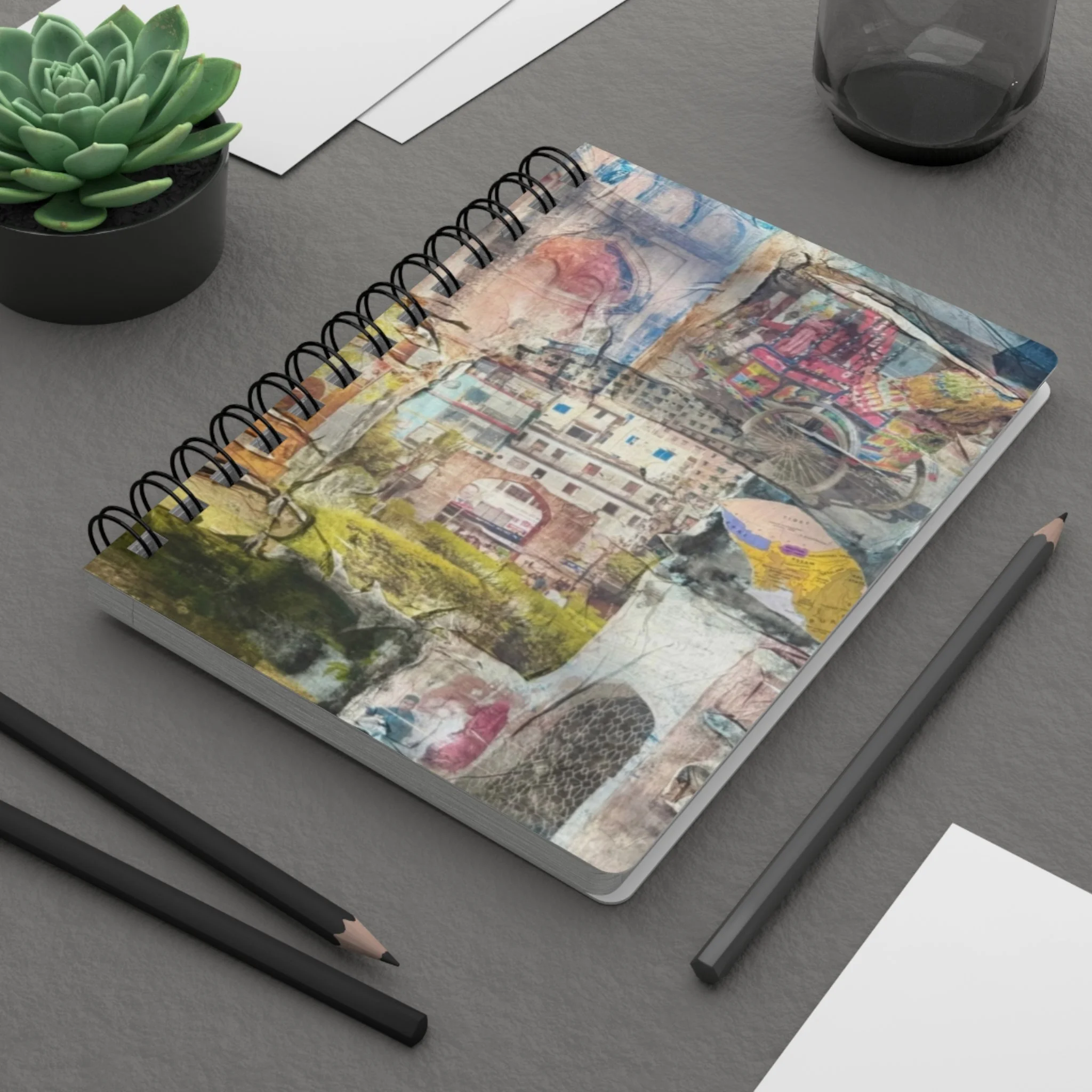
Shama Shams is a Seattle-based author and mixed-media artist whose work explores memory, immigration, identity, resilience, and belonging.
She holds an MA from Florida State University and wrote She Called Me Throwaway, a memoir published in 2024. The book received First Place in both the Multicultural Nonfiction and Asian American Nonfiction categories of the Independent Author Awards through Literary Global, as well as a Finalist honor in Memoir. It was also recognized as a Top Choice in The Next Best Read Writing Contest, where judges praised its “creativity, voice and heartfelt execution.” Kirkus Reviews described the memoir as “ultimately hopeful and inspiring.”
Her second book, Dreamers: The Search for the American Dream, is forthcoming in March 2027 from Running Wild Press. The collection explores immigration, belonging, memory, sacrifice, and the complicated meanings of home. An excerpt from Dreamers was published in the Writers’ Studio Annual Collection through Bainbridge Artisan Resource Network (BARN). Shama’s writing has also appeared in literary magazines and short-story collections.
Storytelling is central to both Shama’s writing and visual art practice. She works in mixed media, black-and-white photography, photographic transfers, and experimental photographic processes. Her black-and-white photographs begin on 35mm film and are developed and hand-printed in her home darkroom as silver gelatin prints.
In her mixed-media photographic transfers and Chromoskedasic Sabatier work, the photograph becomes a starting point rather than a finished image. Through layering, chemical processes, texture, paint, and chance, images fragment, disappear, and reemerge as painterly explorations of memory, identity, migration, and place.
Across writing, photography, and mixed media, Shama returns to many of the same questions: What do we carry with us? What changes as we move between places and identities? What is remembered, what disappears, and what remains?
At the heart of her work is a belief that storytelling—through words or images—can connect us to one another’s humanity.